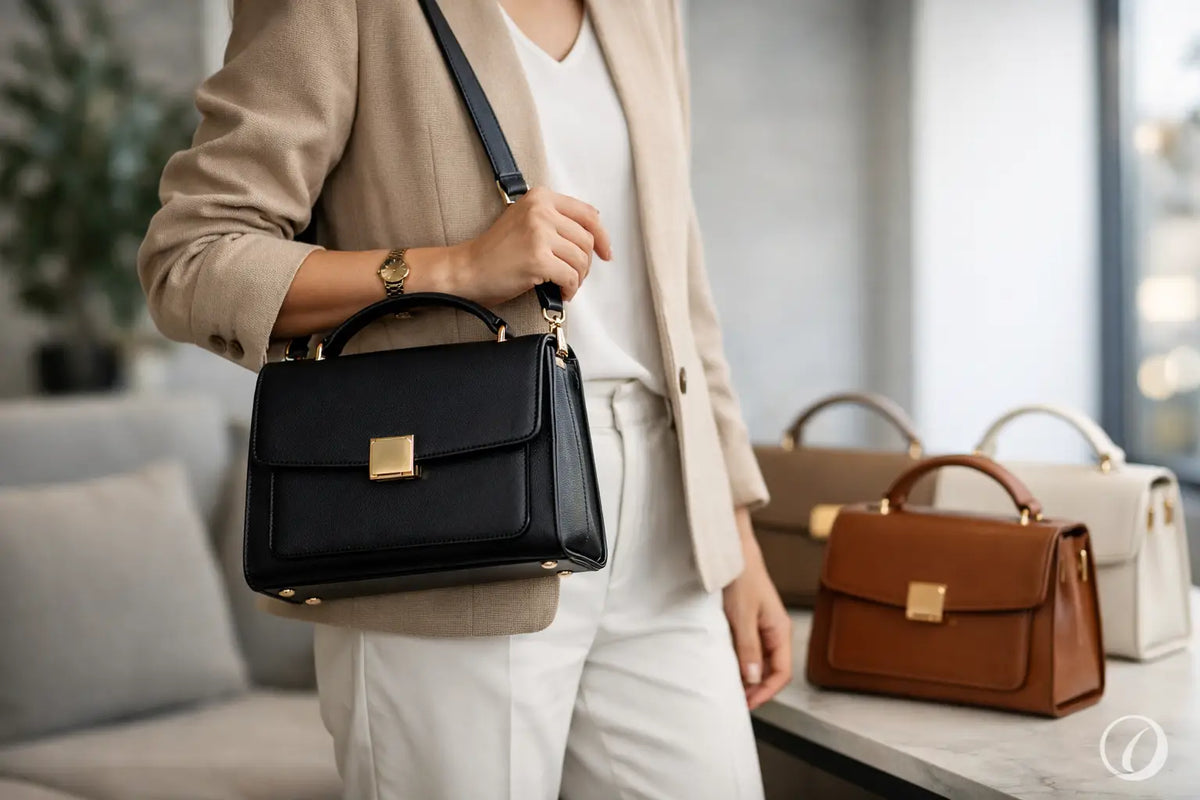
A soft bag can disappear into an outfit. A structured shoulder bag does the opposite. It creates a clean line at the side, sharpens the silhouette, and makes even a simple uniform of denim, tailoring, or knitwear feel considered. This is not an accessory for hiding essentials. It is a piece built for presence.
The appeal is not just visual. A structured shape keeps its form, protects the contents inside, and brings order to the way you carry yourself. But the right bag is never only about a rigid exterior. Proportion, finish, hardware, and real-world function decide whether it becomes a daily signature or stays untouched on a shelf.
What Makes a Structured Shoulder Bag Different
A structured bag is defined by shape retention. Its body is reinforced through firmer materials, internal panels, a stable base, or all three. Where an unstructured tote folds and shifts with what is inside, a structured shoulder bag holds a deliberate outline whether it is nearly empty or fully packed.
That architectural quality is what gives it authority. A clean rectangular body reads polished and precise. A curved half-moon silhouette feels more modern and directional. A compact top-handle-inspired shape worn on the shoulder brings a stronger, more composed energy than a slouchy carryall.
Structure does bring a trade-off. These bags are often less forgiving than softer designs. Overfilling can strain the closure, distort the sides, and make the bag look crowded. If you carry a laptop, a full-size water bottle, and a day’s worth of extras, a larger tote may be the smarter choice. The structured shoulder bag earns its place when you want your essentials edited and your look controlled.
Start With Proportion, Not Trend
The most expensive-looking bag in the room is usually the one that sits in proportion to its wearer and wardrobe. Before choosing color or hardware, look at scale.
A compact shoulder bag gives a strong finish to a fitted jacket, a dress, or evening denim. It creates impact without adding bulk. Medium sizes are the daily power move: large enough for a phone, wallet, keys, sunglasses, and a few essentials, but disciplined enough to keep an outfit refined. Oversized structured designs can work beautifully with long coats and relaxed tailoring, though they need room around them. Pairing a large, sharply built bag with a heavily layered look can feel overly weighted.
Strap drop matters as much as bag width. A short strap that lands high under the arm looks intentional and sleek, especially with bare arms or a streamlined coat. It can become restrictive over a thick blazer, however. A longer shoulder strap offers more flexibility and a more relaxed line. If you wear outerwear often, test the fit mentally before committing. A bag that only works with a T-shirt is not a true everyday piece.
Choose a Shape That Supports Your Style
A structured shoulder bag should reinforce your existing style rather than compete with it. Clean geometry works best for those who lean toward minimalism, monochrome dressing, crisp shirting, and polished footwear. The bag becomes part of the framework of the outfit.
If your wardrobe is more fluid, look for structure with softened edges. A gently curved flap, a rounded base, or a slightly sculpted profile keeps the design elevated without feeling too severe. This balance is especially effective with draped dresses, wide-leg trousers, or textured knits.
For a sharper statement, choose a defined box shape, strong corners, and minimal exterior detail. The silhouette does the talking. For a more expressive look, a sculptural handle, distinctive clasp, or unexpected color can create the focal point. The rule is simple: let one detail lead. Strong shape, bold hardware, and a high-impact finish all at once can cross from intentional into overworked.
Material and Finish Set the Tone
Material changes how a structured bag behaves and how it ages. Smooth finishes tend to look sleek and formal, especially in black, espresso, deep burgundy, or warm ivory. They pair naturally with watches, gold-toned jewelry, and clean footwear because the surface reads precise from a distance.
Grained textures are more forgiving for frequent wear. They help conceal light scratches and give a bag a more grounded, everyday feel. Croc-embossed or high-shine finishes bring more drama, but they require restraint elsewhere. Let the bag carry the visual tension while the rest of the outfit stays clean.
Hardware deserves a closer look than it usually gets. A substantial clasp or polished buckle can make a minimal bag feel expensive, provided it is proportionate to the body. Fine, understated hardware is more versatile and keeps the shape in focus. Match the metal tone loosely with your jewelry rather than treating it as a strict rule. A warm gold watch with a cool-toned bag can still look right when the outfit has enough contrast and confidence.
Function Is Part of the Luxury
A beautiful bag that makes you dig for your keys at a restaurant table loses its appeal quickly. The interior should support the way you move through the day.
Consider what you carry without fantasy. Your phone and cardholder are obvious, but sunglasses, lip products, chargers, medication, earbuds, and a compact notebook take up space fast. A divided interior keeps smaller items from settling at the bottom, while an open compartment is better for those who need easy access. Neither is universally superior. It depends on whether you prefer precision or speed.
Closures matter, too. A zip top offers more security for commuting and travel. A flap closure provides a cleaner exterior and faster entry. Magnetic closures are convenient but may be less reassuring when the bag is full. If the bag is intended for nights out, a compact flap may be enough. For daily movement through busy spaces, security becomes part of the design decision.
Pay attention to the base. Protective feet can reduce wear when you set the bag down, while a reinforced bottom helps preserve shape over time. These details are quiet, but they separate a bag that photographs well from one that stays polished through repeat use.
How to Style a Structured Shoulder Bag
The easiest approach is contrast. Use a precise bag to sharpen relaxed clothes: straight-leg denim, a fine tee, a leather jacket, and clean sneakers gain instant direction from a structured shape. It signals that the outfit was chosen, not simply assembled.
With tailoring, keep the lines coherent. A compact bag with a short strap works with a blazer, tailored trousers, and a slim watch because every piece carries a sense of control. If the outfit is already formal, avoid excessive shine or oversized logos. A refined silhouette has more power when it is allowed to speak quietly.
For evening, the same bag can shift the mood. Wear it with a black dress, a crisp open-collar shirt, or dark denim and a statement shoe. Choose one strong accent - gold-toned jewelry, a bold watch, or sculptural footwear - then let the bag anchor the rest. Presence comes from editing, not adding.
Color does not need to be complicated. Black gives maximum versatility and a sharper edge. Espresso and oxblood add depth without losing sophistication. Cream, stone, and soft gray can feel expensive against darker outfits but demand more care. If this is your first structured piece, choose a neutral with enough depth to handle repeated wear.
Keep the Shape Worth Carrying
Structure only looks powerful when it is maintained. Store the bag upright, lightly filled with clean tissue or a soft insert so the sides do not collapse. Keep it away from direct heat and prolonged sunlight, which can dry or fade the finish.
Do not hang a heavily loaded bag by one strap for long periods. That can stretch attachment points and alter the shoulder drop. Wipe the exterior gently after regular use, especially if it has been near denim, makeup, or wet weather. Small habits protect the crisp outline that made you choose it in the first place.
The right structured shoulder bag should feel like more than storage. It should tighten the line of your outfit, hold what matters, and make getting dressed feel more deliberate. Choose the shape that matches your pace, carry it with restraint, and let the details do their work.