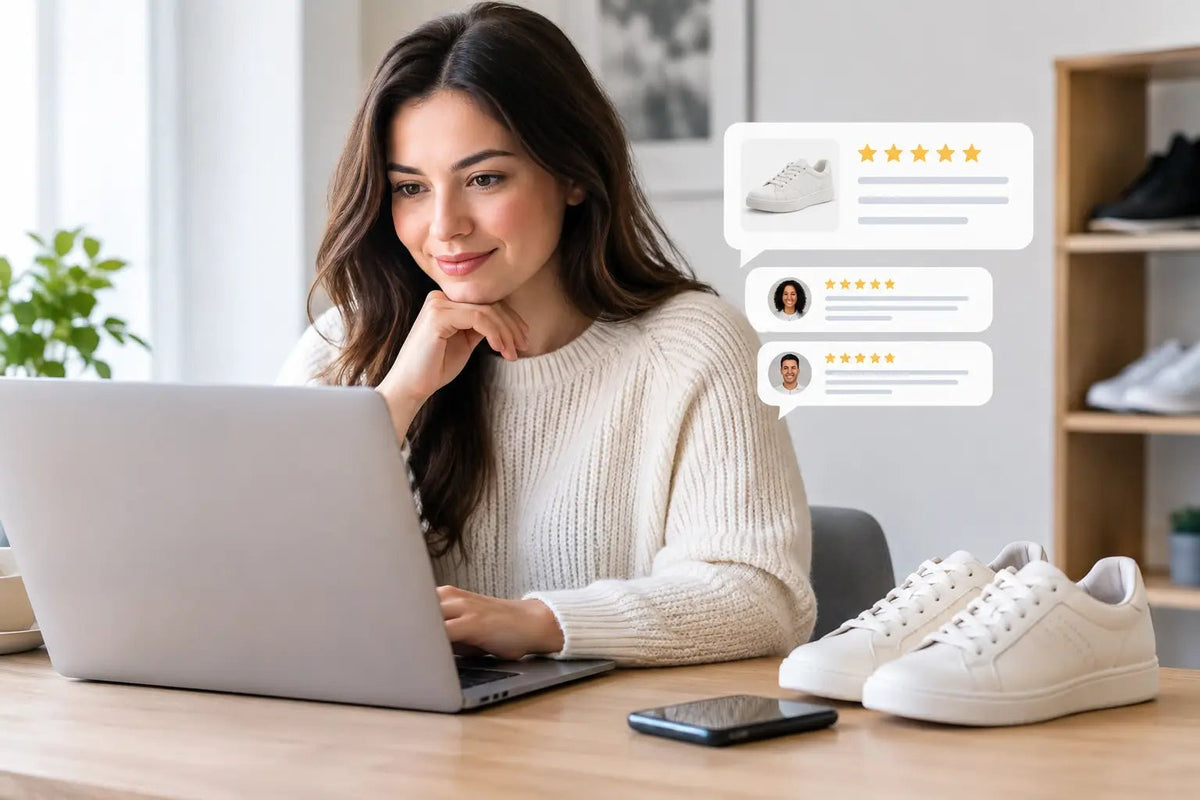
A clean silhouette loses its power when the fit is wrong. That is why online shoe sizing reviews deserve more than a quick scan for “true to size.” The right review can tell you whether a sharp loafer pinches at the toe, whether a boot needs room for a heavier sock, or whether a sleek sneaker runs narrow through the forefoot. Read with intent, and you can buy with far more certainty.
Why Shoe Size Is Not a Single Number
Your labeled shoe size is a starting point, not a verdict. Fit changes with the shoe’s shape, materials, construction, and intended use. A pointed-toe dress shoe can feel more restrictive than a round-toe sneaker in the same size. Leather may relax with wear, while a structured synthetic upper may hold its original shape. A thick platform changes how the foot sits inside the shoe, even when the length is technically correct.
This is where customer feedback matters. Product descriptions can state measurements and materials, but real buyers reveal what happens after an evening on your feet, a commute across the city, or several weeks of regular wear. Reviews turn a static product page into a more complete picture of proportion, pressure, and comfort.
Still, not every review deserves equal weight. “Perfect fit” means very little without context. The goal is not to find one person with your exact foot. It is to spot patterns that make the decision clearer.
How to Read Online Shoe Sizing Reviews
Start by separating length from width. Many shoppers say a shoe “runs small” when the real issue is a narrow toe box, a low instep, or a firm upper that has not broken in. Those details call for different decisions. Going up half a size may help with toe pressure, but it can create heel slip if the shoe is already long enough.
Look for reviewers who describe where the fit feels different. Comments such as “snug across the ball of the foot,” “roomy in the heel,” or “my usual size fit with thin socks” are far more useful than a star rating alone. They give you a practical read on the shoe’s internal shape.
Then look at repetition. One person may have an unusually wide foot or prefer a very close fit. When multiple reviewers mention the same issue, whether it is a narrow opening, extra room at the heel, or a short fit in the toe, treat it as a meaningful signal. Consistency is what turns personal opinion into useful guidance.
Match the Reviewer to Your Foot, Not Your Style
The most polished review is not always the most relevant one. Prioritize buyers who share the details that affect your fit: usual size, foot width, arch height, and how they plan to wear the shoe. A reviewer wearing ankle boots with thick winter socks is not making the same choice as someone styling them with bare legs for dinner.
Pay attention to size conversions, especially when shopping across US, UK, and EU sizing systems. Numbers do not always translate perfectly between regions or manufacturers. If a reviewer says they usually wear a certain size but chose another, note whether they are using the same regional scale shown on the product page.
Photos can help, but use them carefully. They are excellent for judging how a shoe sits around the ankle, how much volume it has across the vamp, and whether the toe shape appears elongated. They cannot reliably tell you whether there is enough space at the front. For that, written detail wins.
The Details That Change the Fit
A shoe’s construction tells you what kind of review language to expect. Soft leather, suede, and certain woven uppers can become more accommodating after a few wears. That does not mean you should buy a pair that hurts immediately. A shoe should feel secure and close, not punishing. Pressure at the sides may ease modestly; a toe that hits the front will not become longer.
Structured dress shoes and minimalist heels often reward precision. Their clean lines leave less room to disguise a size mismatch. If reviews mention a narrow toe box, take it seriously if your forefoot is broad. If they mention a firm heel counter, expect the shoe to feel more locked in at first. That can be ideal for a confident, tailored look, provided the length is right.
Boots require another layer of judgment. Shaft circumference, ankle opening, and sock thickness all affect the experience. A boot that fits perfectly with a thin dress sock may feel restrictive with a thicker knit. If you intend to wear it through colder months, reviews from buyers who mention sock thickness are especially valuable.
Sneakers and casual footwear bring their own trade-off. A little extra room can feel effortless for everyday movement, but too much volume can make the shoe look less intentional and reduce stability. If reviewers report a roomy fit, consider whether you prefer a relaxed feel or a more precise, sculpted profile.
Measure Before You Make the Call
Reviews become more useful when you have your own numbers. Measure both feet at the end of the day, when they are at their fullest. Stand on a sheet of paper, mark the heel and longest toe, then measure the distance between those points. Repeat for both feet and use the longer measurement.
For width, measure around the widest part of your forefoot or compare the outline of your foot to a pair you already wear well. You do not need laboratory precision. You need enough information to understand whether your foot is narrow, average, or broad relative to the shoes you usually buy.
Compare your measurements with the listed size chart, then let reviews refine the decision. If the chart places you exactly between sizes and repeated feedback says the style runs short, sizing up is usually the stronger move. If the style runs long and you have a narrow foot, your usual size may offer better control.
Do not measure only the foot and ignore the shoe’s purpose. A close-fitting evening shoe may be chosen differently from a walking sneaker. The best size for a sharp visual line is not always the best size for ten hours of standing. Presence should never require avoidable discomfort.
Red Flags in Sizing Feedback
Be cautious when reviews are vague, contradictory, or focused entirely on expectations rather than fit. “Not what I thought” does not tell you whether the product was too narrow, too long, or simply different from the buyer’s preferred style. Also watch for comments made immediately after unboxing. A shoe can feel firm on first try-on and settle after a short, reasonable break-in period.
More concerning are repeated reports of toe contact, heel slipping, uneven sizing between the left and right shoe, or discomfort that continues after several wears. These are not minor preference differences. They point to issues that can affect how confidently you move in the pair.
Do not overcorrect based on a single dramatic review. Sizing up a full size because one buyer found a shoe tight can leave you with a loose heel and an awkward stride. The strongest decision comes from the size chart, your own measurements, and a clear pattern in the feedback.
Make the Final Choice With Intention
Before checkout, decide how you want the shoe to perform. Do you need room for socks? Are you dressing for an event where you will be seated most of the night, or a day that keeps you moving? Is the material likely to soften? These are not small details. They determine whether a pair becomes part of your rotation or stays untouched in its box.
For a refined wardrobe, fit is part of the design. The line of a shoe, the break at the ankle, and the way it carries your posture all depend on getting the proportions right. VALTRYXX approaches footwear with that same standard: strong silhouettes demand deliberate choices.
Read reviews like evidence, not entertainment. Trust repeated specifics, know the shape of your own foot, and leave room for how you actually live. The right pair should not ask you to shrink yourself to fit it. It should sharpen the way you show up.